





OUR STORY

In a world searching for authenticity,
we offer a place made by our own hands.
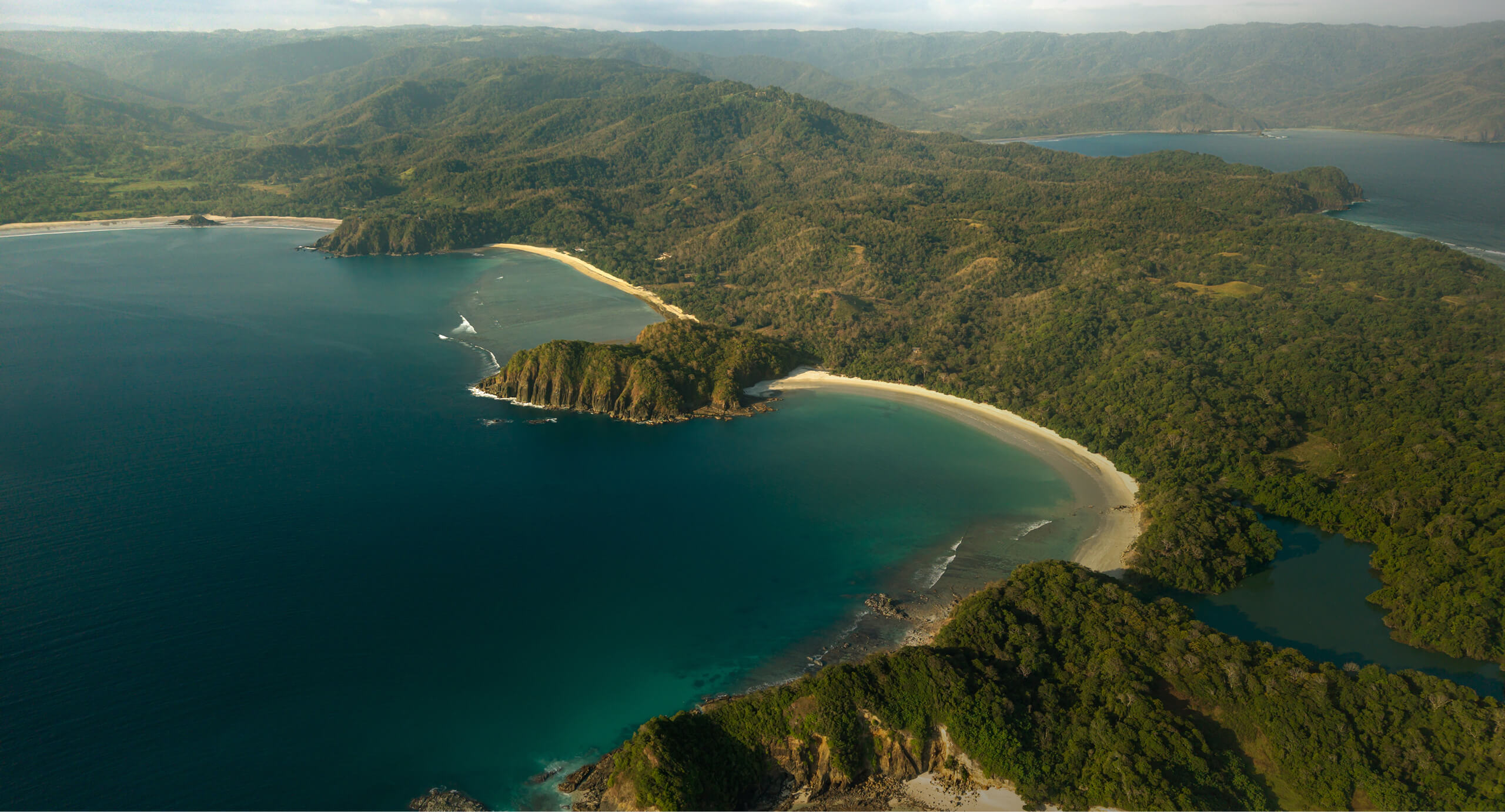
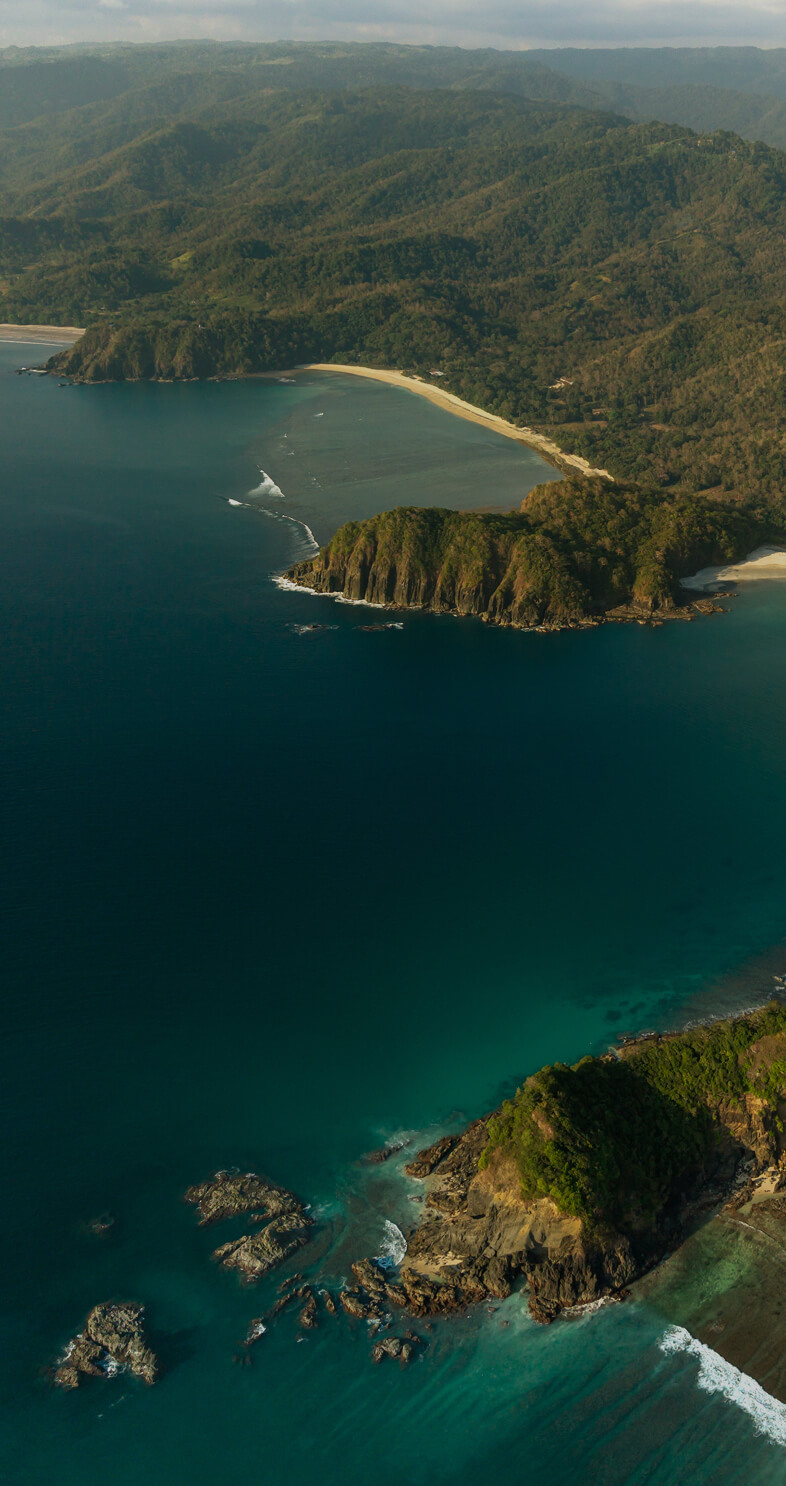
The story of Konda Maloba began on the rugged and remarkably beautiful southern coast of Central Sumba.
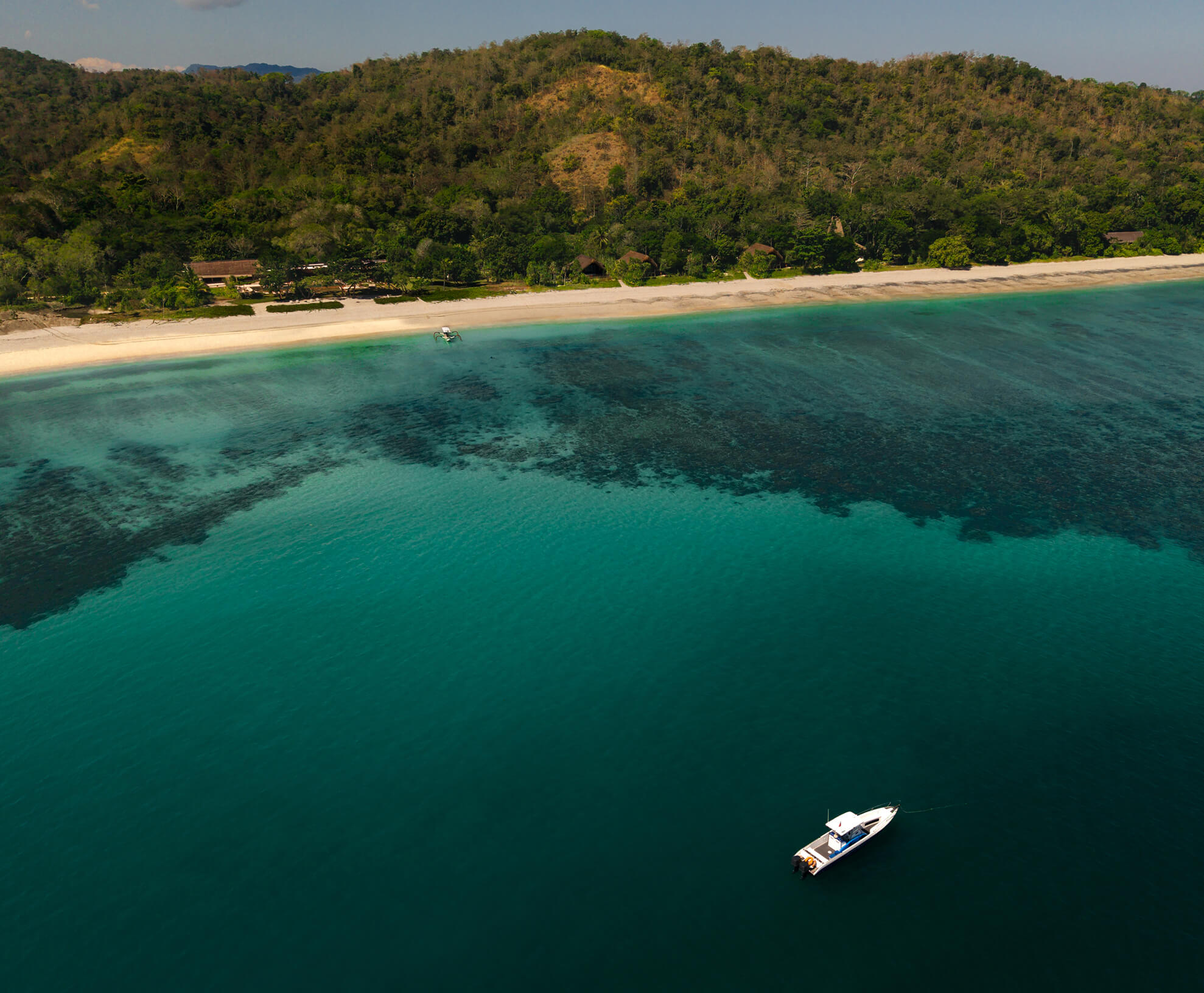
In 2007, a newly opened trail through Manupeu Tanah Daru National Park led art historian Bruce W. Carpenter to the powdery white sands of Aili Beach, one of three coves forming Konda Maloba bay. From the beach, limestone cliffs stretched along an unbroken coastline, with the open sea fading west towards the sunset.
Overwhelmed by the beauty and seclusion of the place, Bruce imagined a quiet beach house as a family retreat. Before long, his children in shared the vision, and the idea grew into something more ambitious.
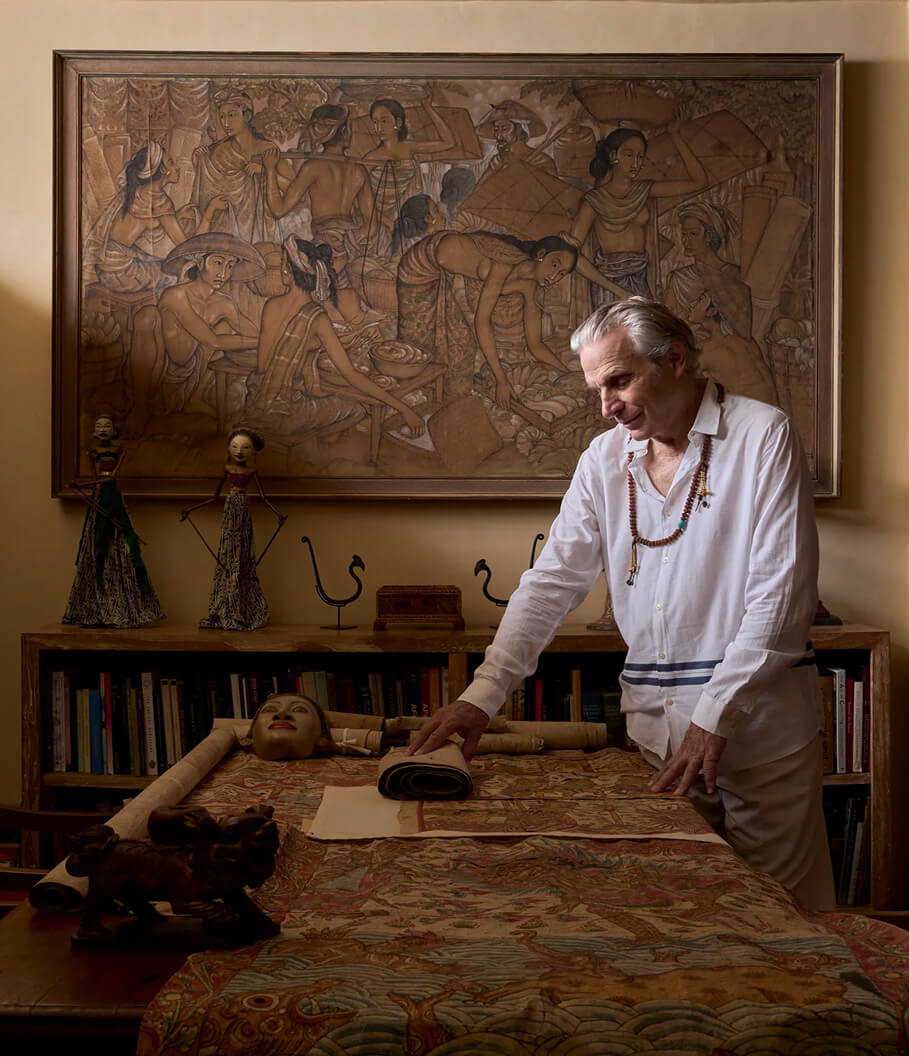
Bruce W. Carpenter is an Indonesian art scholar, collector, and author whose life work has been devoted to documenting and preserving Indonesia's cultural heritage.
Bruce W. Carpenter has spent much of his life studying the art and cultural traditions of Indonesia. An author and co-author of more than twenty publications, his decades-long work has taken him across the archipelago studying the traditions, craftsmanship, and histories together with his wife, Carola.
Among the many places that left a lasting impression, Sumba stood apart. Its living traditions, megalithic heritage and enduring Marapu beliefs revealed a culture deeply rooted in its ancestral identity. Over many years, friendships were built with communities, artists, traditional leaders and elders. His children grew up within that world of travel, scholarship and exchange, developing their own relationship with Indonesia and, over time, with Sumba.
Created by a family whose lives have long been woven into Indonesia, Konda Maloba offers a retreat from the pace and distractions of urban life, the space to reconnect with nature, with one another — and what truly matters.
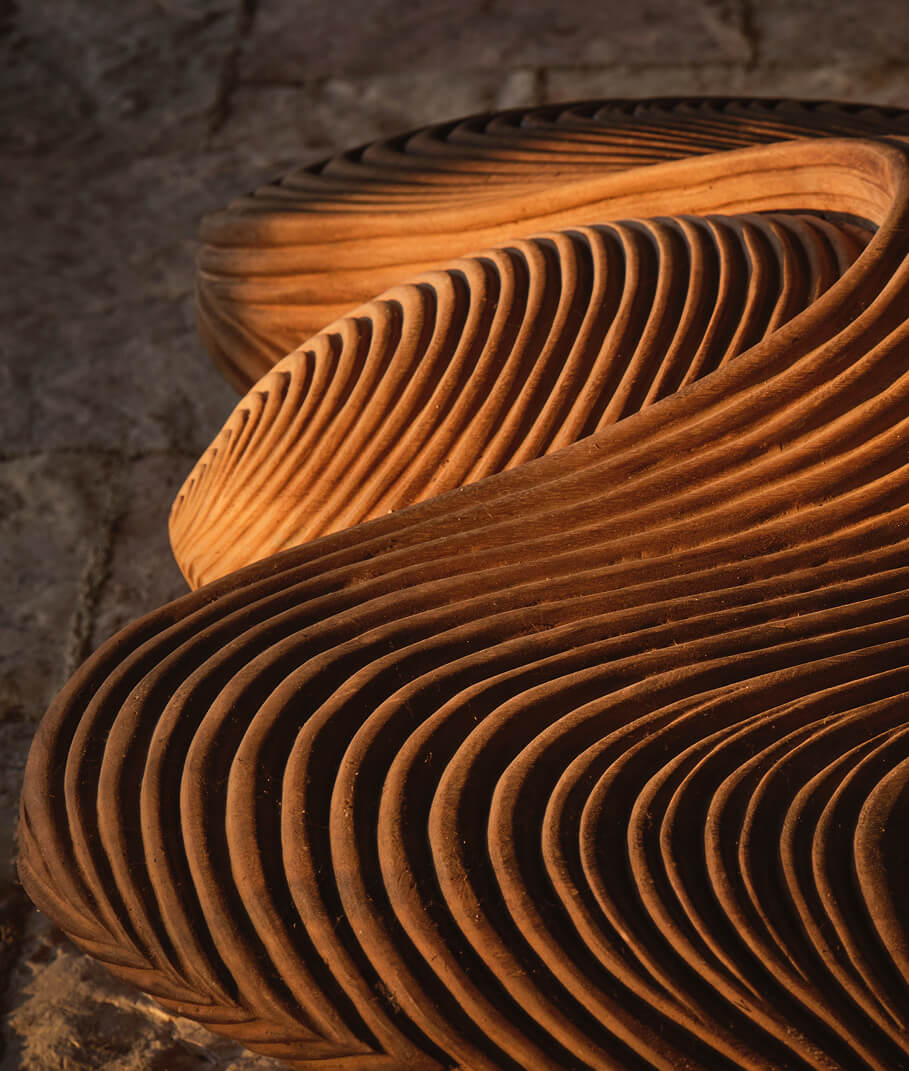
Venus by Carola Vooges
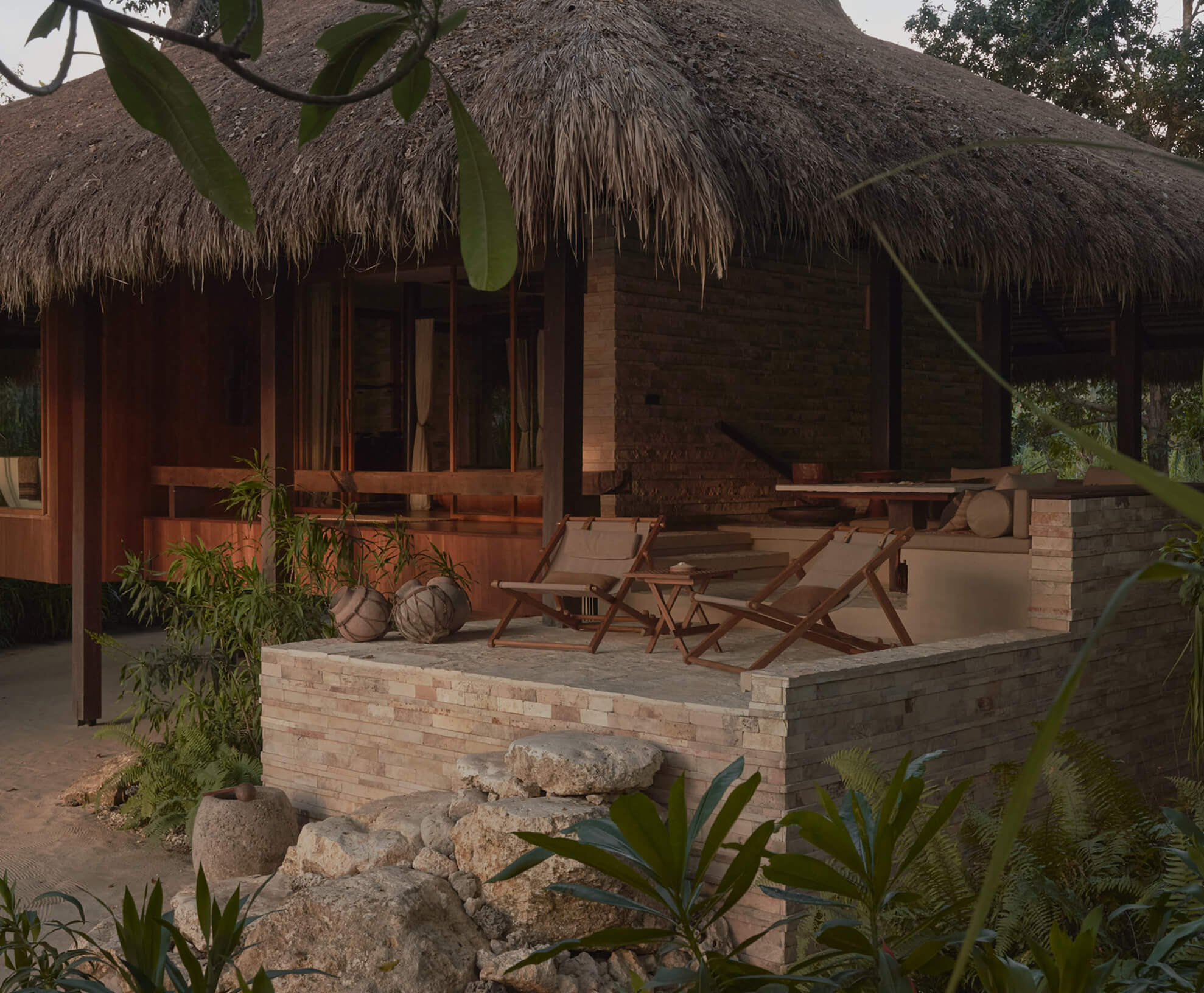
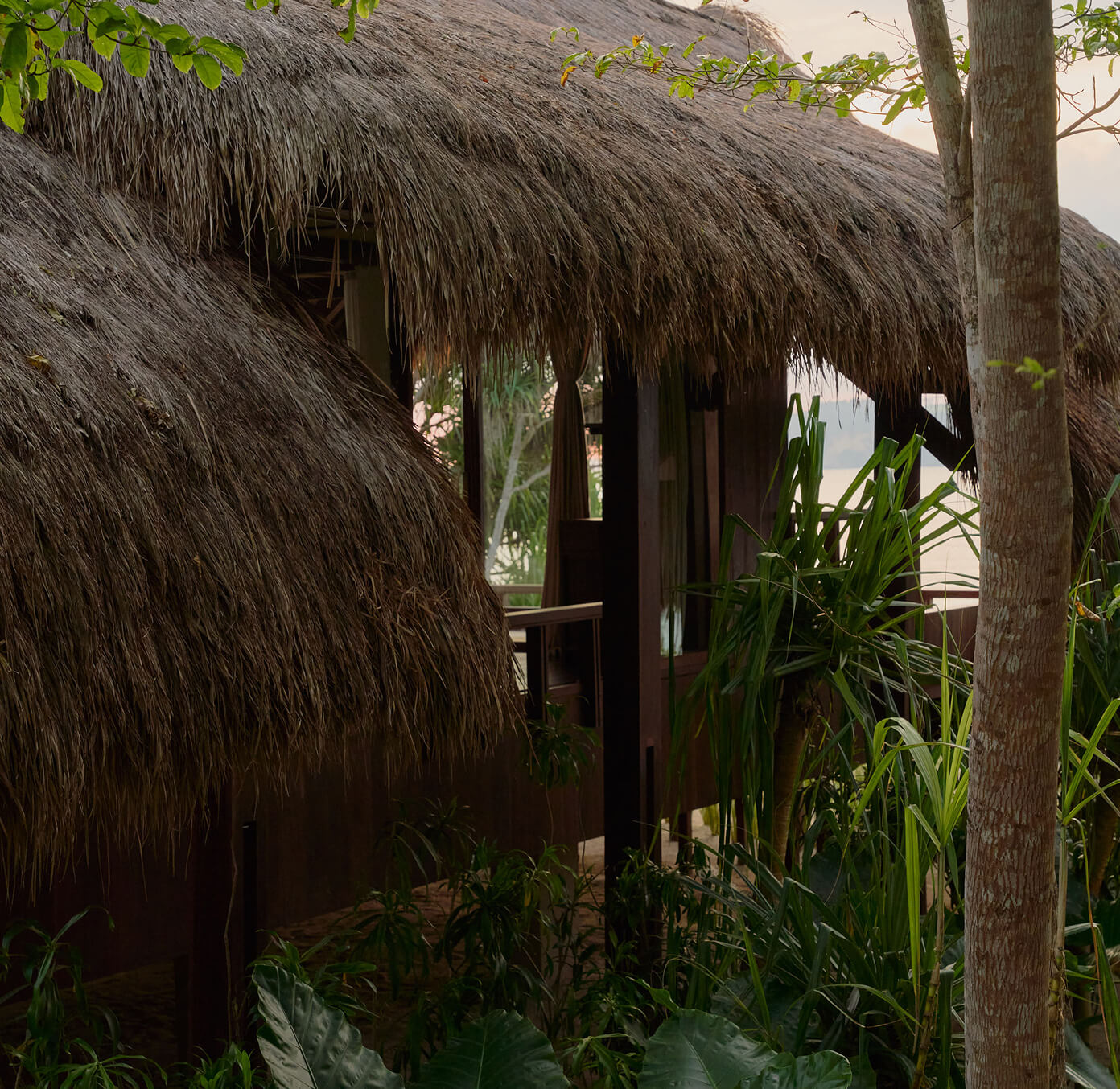
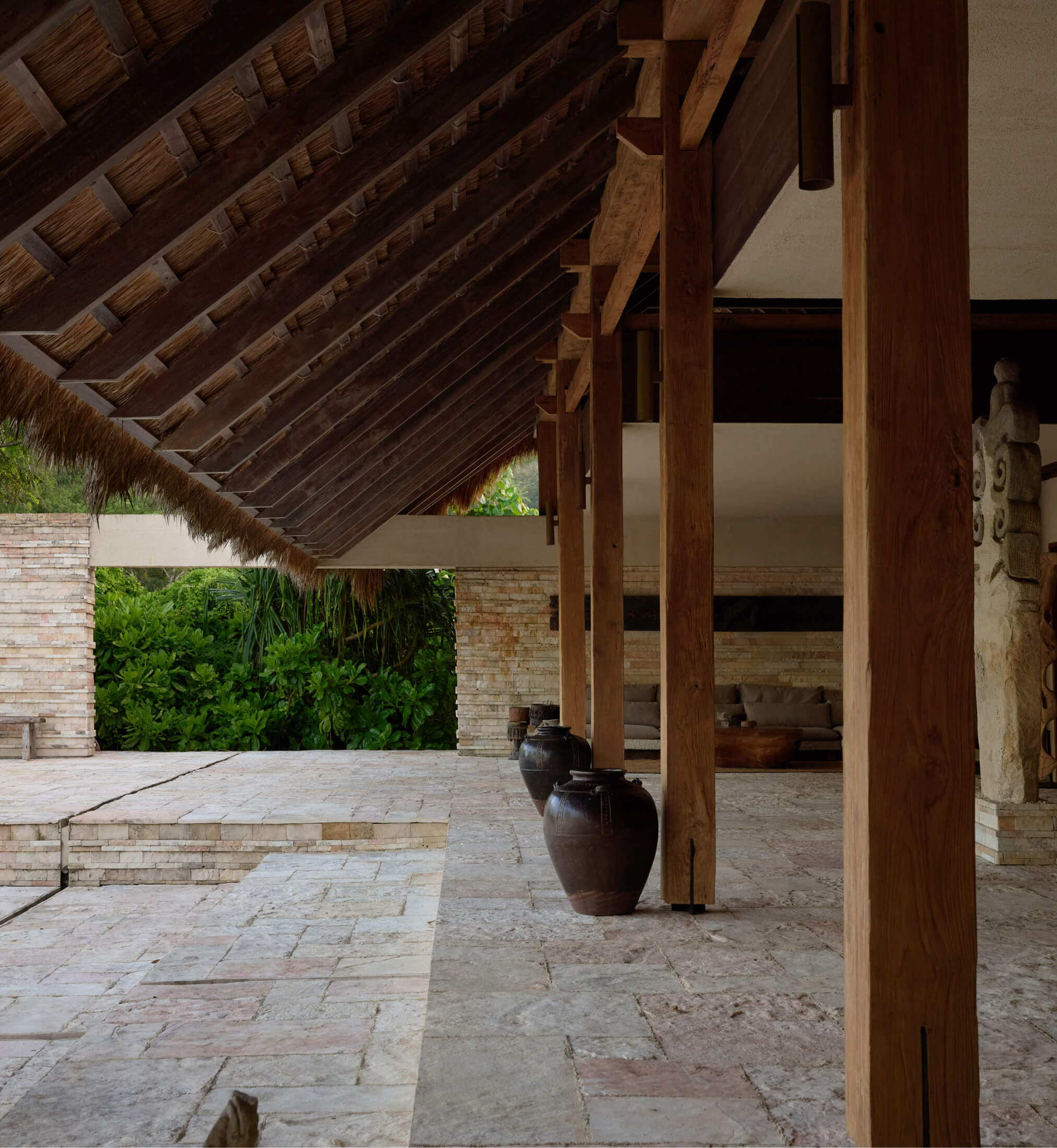
East of Bali lies Sumba, an island of ancient villages, ancestral traditions, water buffalo, sandalwood horses and a coastline that remains largely untouched. It is from this landscape, in the Lesser Sundas of Indonesia, that Konda Maloba draws much of its identity. In homage to Sumba’s great wooden houses, the villas are raised on columns beneath soaring elephant-grass roofs, allowing air to circulate freely while providing shade from the tropical heat.
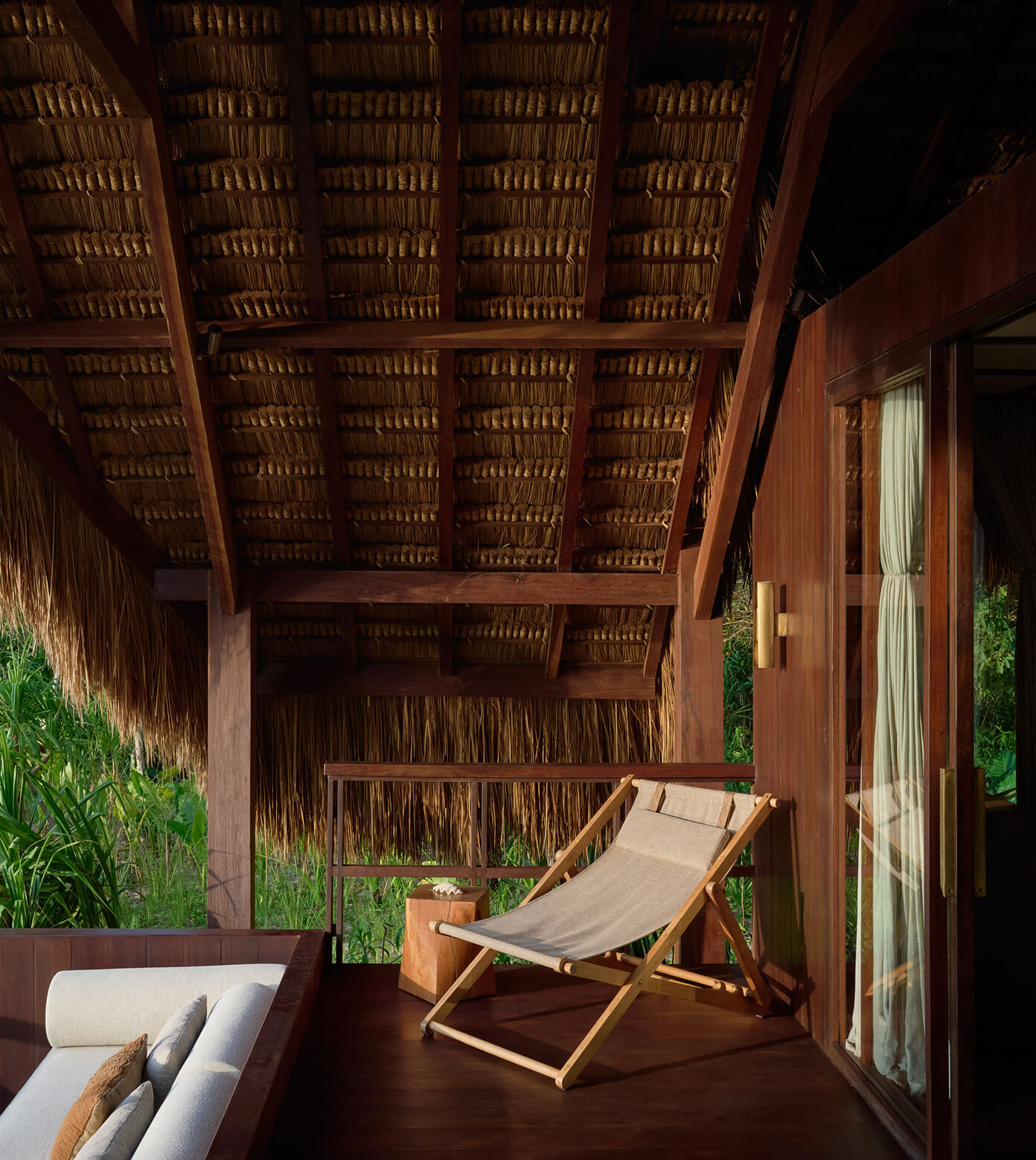
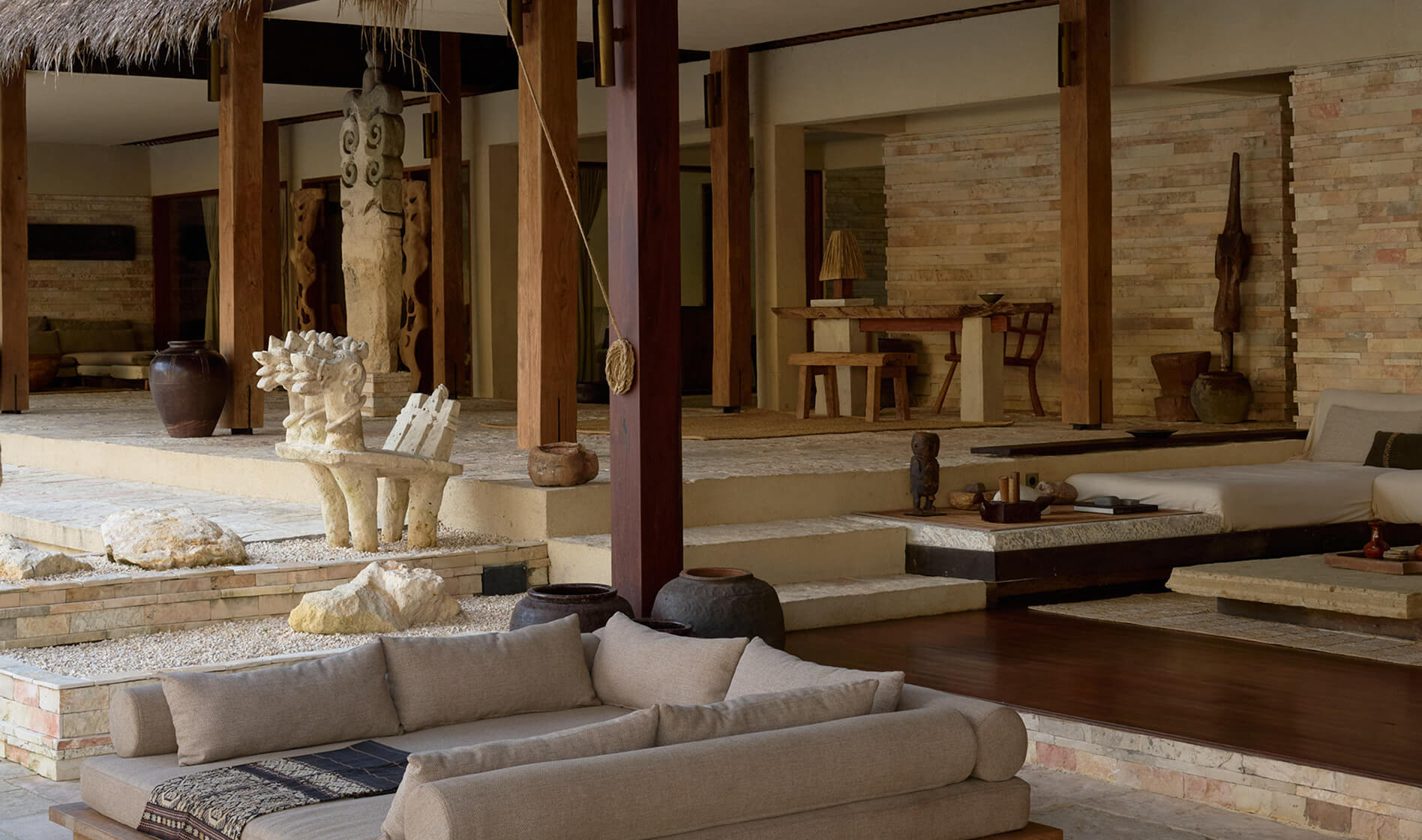
Every structure has been built from reclaimed components of Indonesian hardwoods, their salvaged elements reinterpreted into new spatial compositions that allow the craftsmanship and memory to evolve into contemporary form. Expansive windows open the interiors to the trees and sea, while finely worked details and creative flourishes lend each structure its own individuality.
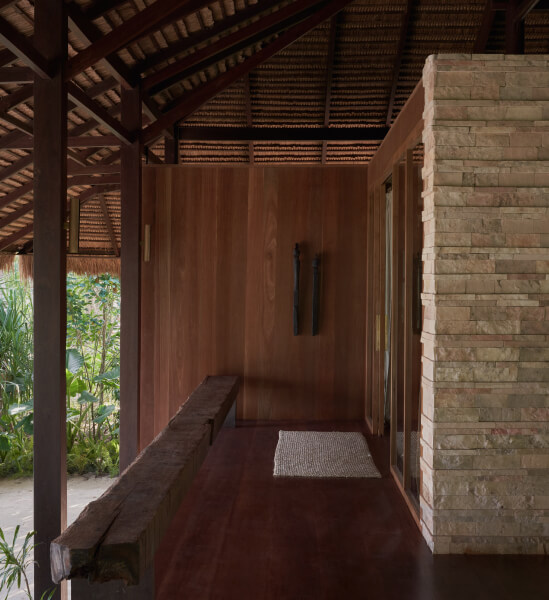
Much of the architecture’s beauty lies in the joinery, deliberately exposed to reveal the intricacy of its construction and the qualities of the materials themselves. Wood and stone are selected locally for their inherent character, with the workmanship behind them carefully preserved and celebrated.
Together, they express the ideal that architecture should be shaped by the pulse and soul of the land and local culture.
DESIGN ETHOS
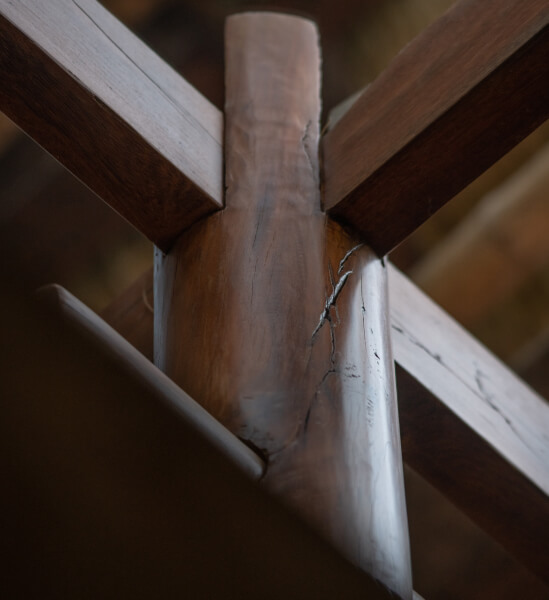
The Beauty of Impermanence
Materials are chosen for the history and qualities they carry, left to weather naturally and grow richer with time.
Rooted in Place
The island's spirit remains at the heart of what shapes every experience and design.
Crafted to Last
Built by local artisans, each structure reflects techniques refined over generations, creating buildings that stand the test of time.
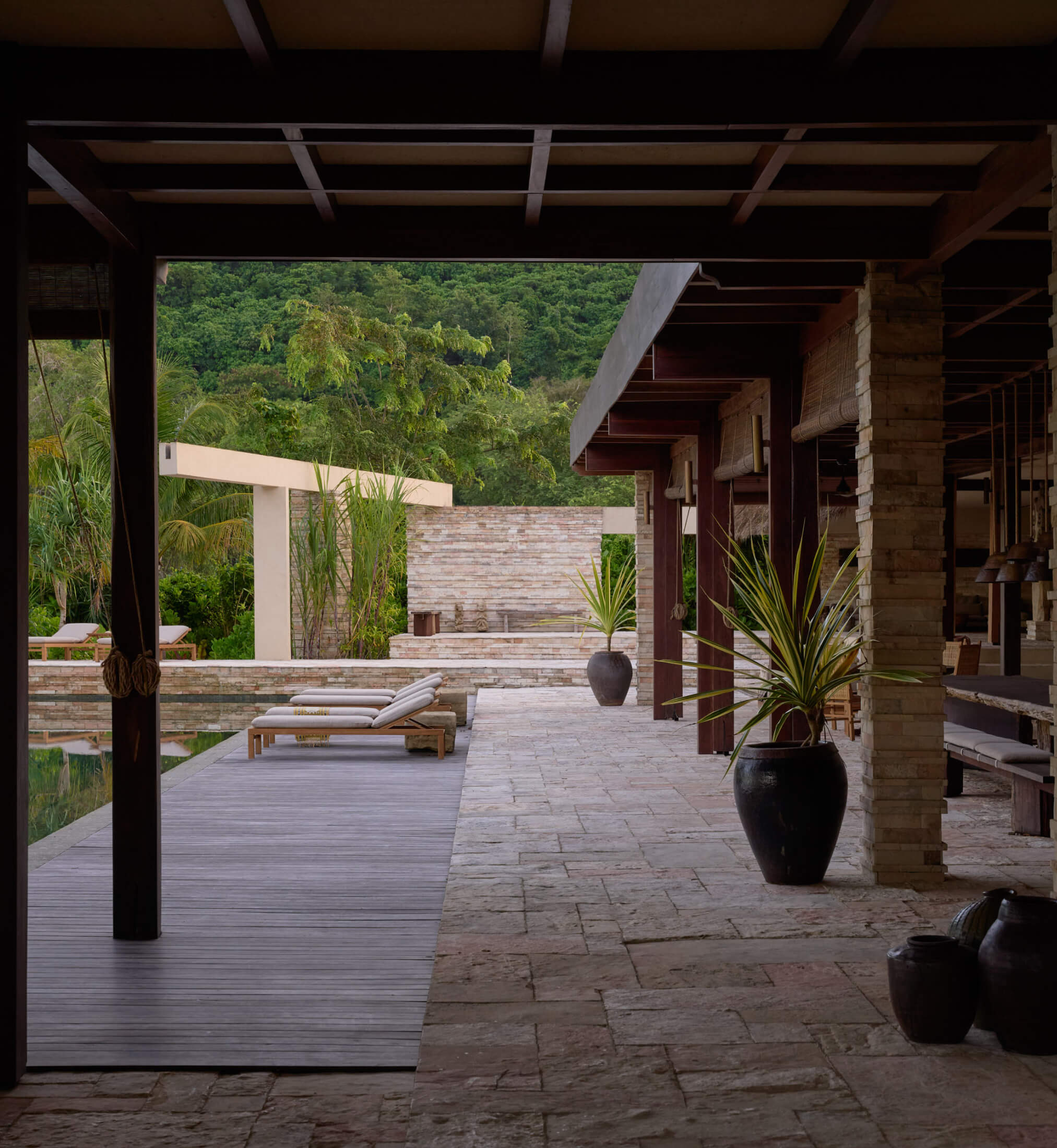
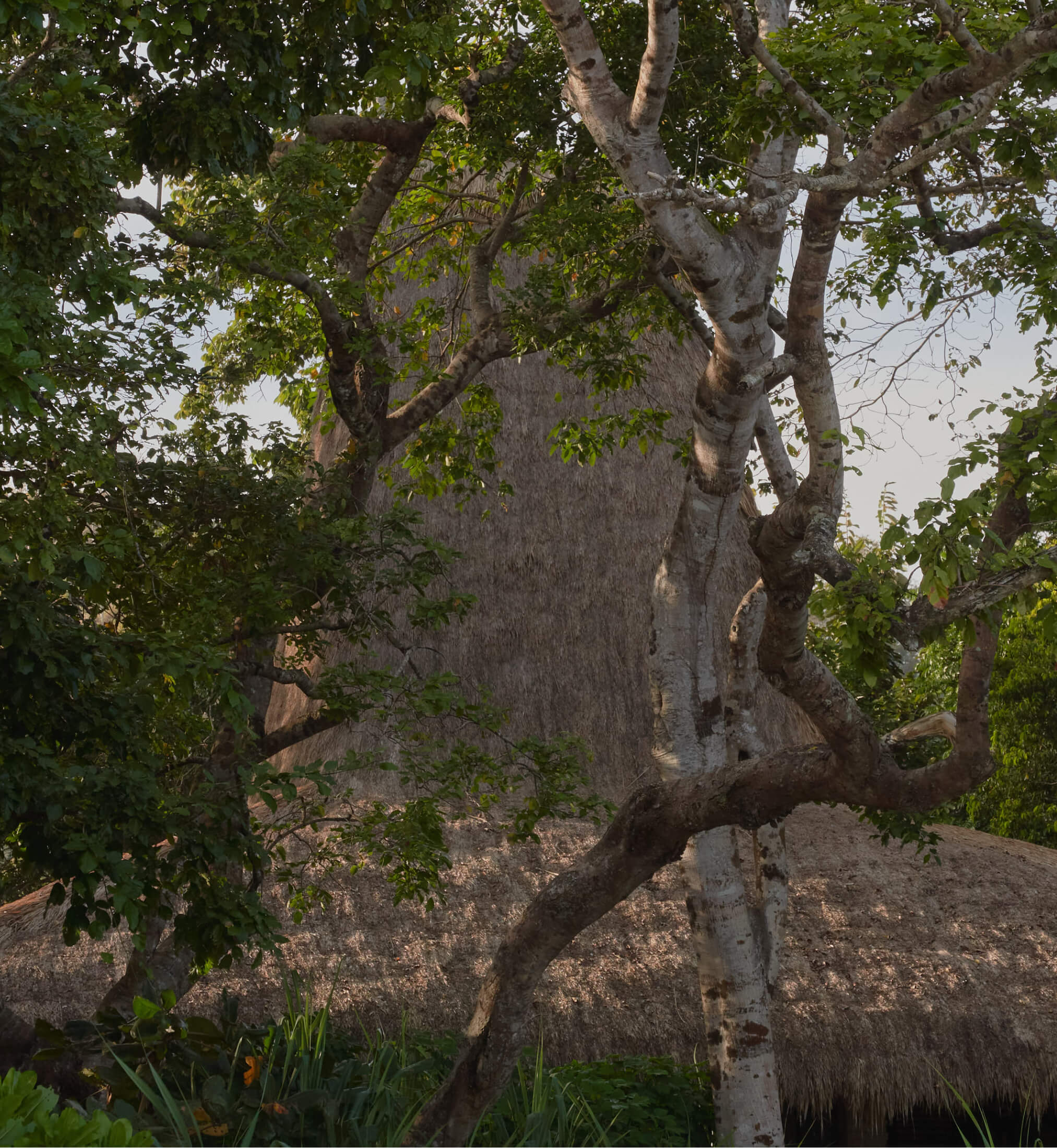
Guardian of the Bay
By honouring local traditions, empowering the surrounding community, and caring for the land with intention, Konda Maloba strives to leave a legacy that is measured by the lives, culture, and landscape it helps sustain.
Conservation
We work to protect the surrounding land and sea, including efforts to reduce illegal fishing and hunting and create alternative sources of income for nearby communities.
Sustainability
We invest in local skills, employment and long-term livelihoods. Buildings use reclaimed and durable materials selected to endure.
Heritage
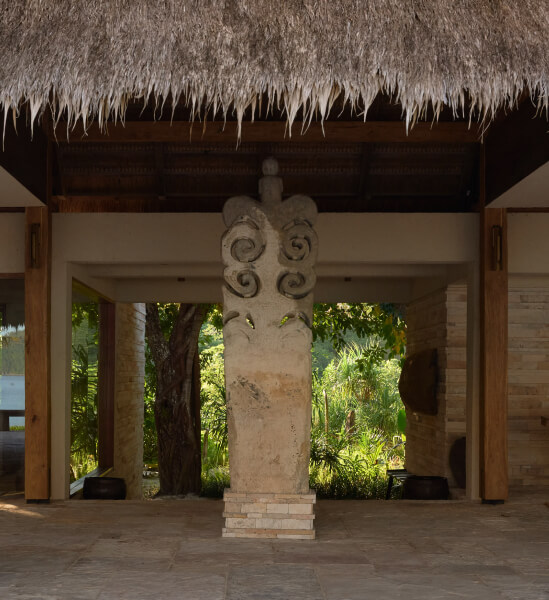
Lesser Sunda traditions are present throughout Konda Maloba in wood, cloth and stone. We support the people and communities who continue these practices today.
Living with the land
Konda Maloba operates off-grid on solar power, with careful use of water and resources to reduce its impact on the bay. Our menu is made with local ingredients.